


Addressing the invisible with behavioural science
Essex Air Consortium case study
The Essex Air Consortium, which is made up of 15 local authorities across Greater Essex – Essex County Council, the district/borough/city councils and unitary authorities – published its collaborative Essex Air Quality Strategy in 2025.
The strategy sets outlines 10 actions to improve air quality and achieve the shared vision ‘By reducing exposure to poor air quality, the people of Essex enjoy improved health and fewer health inequalities’.
The Essex Air Quality Strategy programme team planned an event to bring together partners working on AQ, public health, transport and sustainability together to energise, inspire and surface opportunities for collaboration and scaling up.
Air quality: the invisible challenge
On 11th June Clean air expert Professor Sir Stephen Holgate set the scene, highlighting the key challenges with addressing air quality currently in the UK:
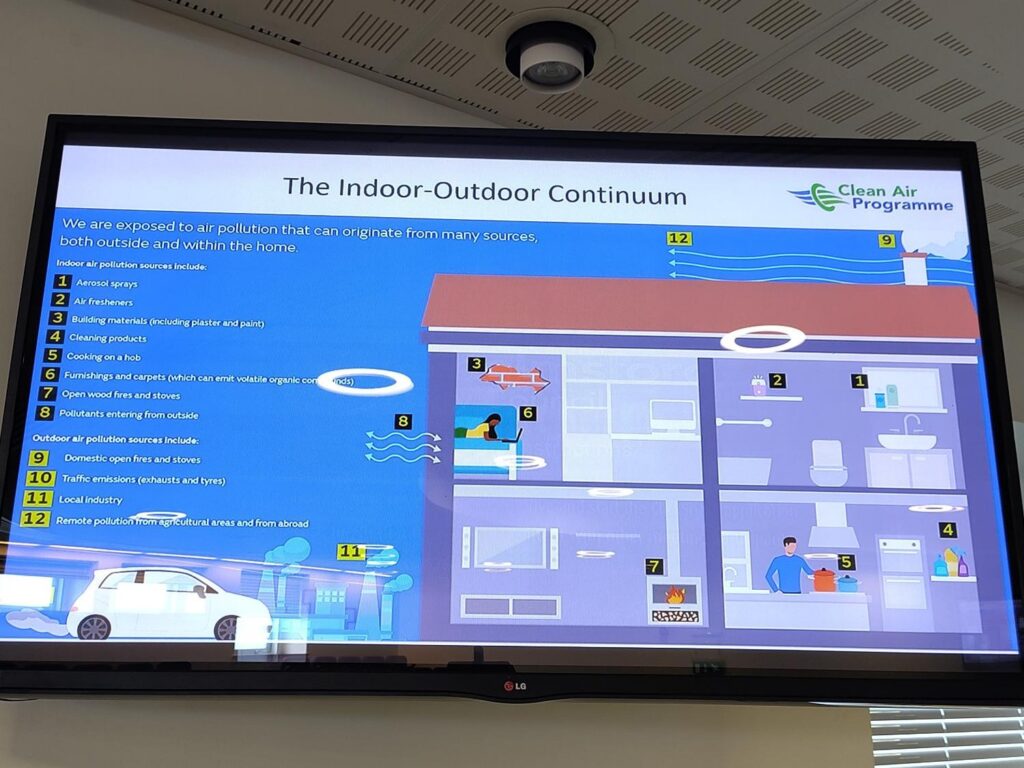
- Unlike in the era of smog and ‘pea soupers’, poor air quality is now invisible
- Poor indoor air quality has very little awareness around it
- Whilst the health impacts of air quality are being dealt with by the health service, education about the connections and addressing the root course is not being prioritised in the health service
- For many people, the health impacts of poor air quality won’t manifest immediately so it’s easy for people to deploy temporal discounting and think it won’t happen to them.
Making the invisible, visible
After previously working on a flytipping campaign launch with Essex County Council, Livvy Drake was commissioned to provide an interactive workshop session. The focus was on developing practical initiatives that raise awareness of air quality and encourage people to take simple actions for the benefit of their health, the health of their families and their local communities.
With so many ways that air quality is compromised, the room was split into seven tables with a different air quality topic and resident segment to consider:
- Family with young children in social or rented housing living in a house with mould. Ideally takes steps to tackle damp
- Older person with COPD/asthma, ideally adapts behaviours on poor AQ days
- Delivery driver idling in traffic with old diesel engine, ideally turns off engine in traffic
- Pregnant woman walks on high traffic routes at peak times, ideally takes quieter routes and/or walk on inside of pavement
- 19 year old person jumping in the car for short journeys, ideally switches to cycling
- Commuter driving to the office daily, ideally drives outside of peak times
- New mover into suburban development considering their travel options, ideally leaves car at home
Understanding Barriers to Change
Before jumping to solutions, the groups considered the barriers to behaviour change for their target audience using the ISM model of individual, social and material factors. For instance:
Delivery driver idling in traffic and not switching off – Understanding the barriers with the ISM model
Individual | Habit to leave van on Thinking about other things Cost-benefit of switching off – may perceive its more expensive Level of pressure and stress from time-schedules |
| Social | Other delivery drivers’ behaviours and culture Doesn’t feel environment is their problem Family and friends |
| Material | Limited time to do deliveries Tech or lack of it in vehicle |
Activating Change Drivers
With these insights the teams then started considering solutions using the EAST model to identify things that would make the ideal behaviour easy, attractive, social and timely.
Examples from other air quality research exemplified these solutions as well as the Take Care of Your Air – Air Quality Advice’project from Colchester.
Easy – Providing people with air quality information isn’t enough, people need to have the actions to take based on this e.g., poor Air quality day – exercise inside today.
Attractive – The more personalised the insights are the better, otherwise people don’t think it is relevant to them. A Great Ormond Street Hospital and Imperial College London initiative includes annual average pollution levels for patients’ postcodes on their medical records as a way of ‘personalising’ the risk of air pollution and initiating conversations.
Social – Understanding that people need to hear insights from Trusted Messengers the Take Care of Your Air – Air Quality Advice has focused on providing short training videos for health care practitioners (trusted messengers) so they can provide simple guidance to patients on air quality.
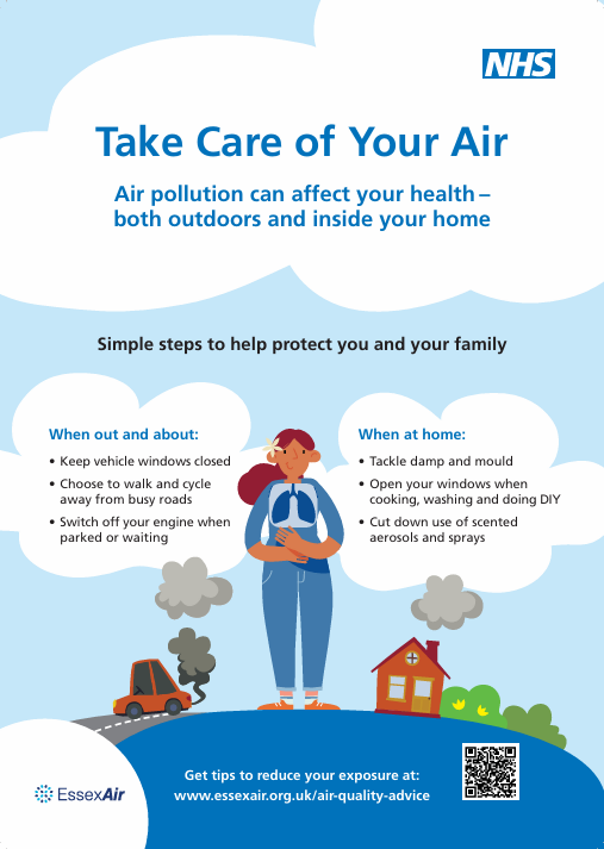
Timely – Identifying moments of change as a key opportunity to communicate with people about changing behaviours. Research has found that 90% of changes in car usage are associated with a change in circumstances. Autumn is a good time to communicate about wood-stove burning or winter for choosing seasoned wood for burning.
The Next Steps
The ideas captured from the tables have been collated for the wider campaign and to make deploying the changes as easy as possible, the Sustainable Sidekicks produced a summary guide of all the research and insights into a quick reference guide.
If you are launching a public focused campaign and need to engage a range of stakeholders, get in touch to discuss how a behaviour change workshop can complement the research, theory and data.

Building on the work we had already done as an organisation on “imagination activism” with Rob Hopkins, the session with Livvy helped people to get more granular and objectively unpack why they may not be taking an environment first approach and what else they could do. Since the session we have seen a huge range of actions – both at individual and team level – across the organisation which are demonstrating “environment first” thinking. A really great example is that our comms and marketing teams are now prioritising using imagery that promotes the behaviours we want to encourage in our participants – e.g. pictures of runners wearing hydration packs or carrying their own reusable water bottles. This is an idea that came from the workshop and is now making a tangible difference to the environmental impact from our events.